Phoenix Metro · Emergency Restoration
AI receptionist for restoration companies in the Phoenix metro.
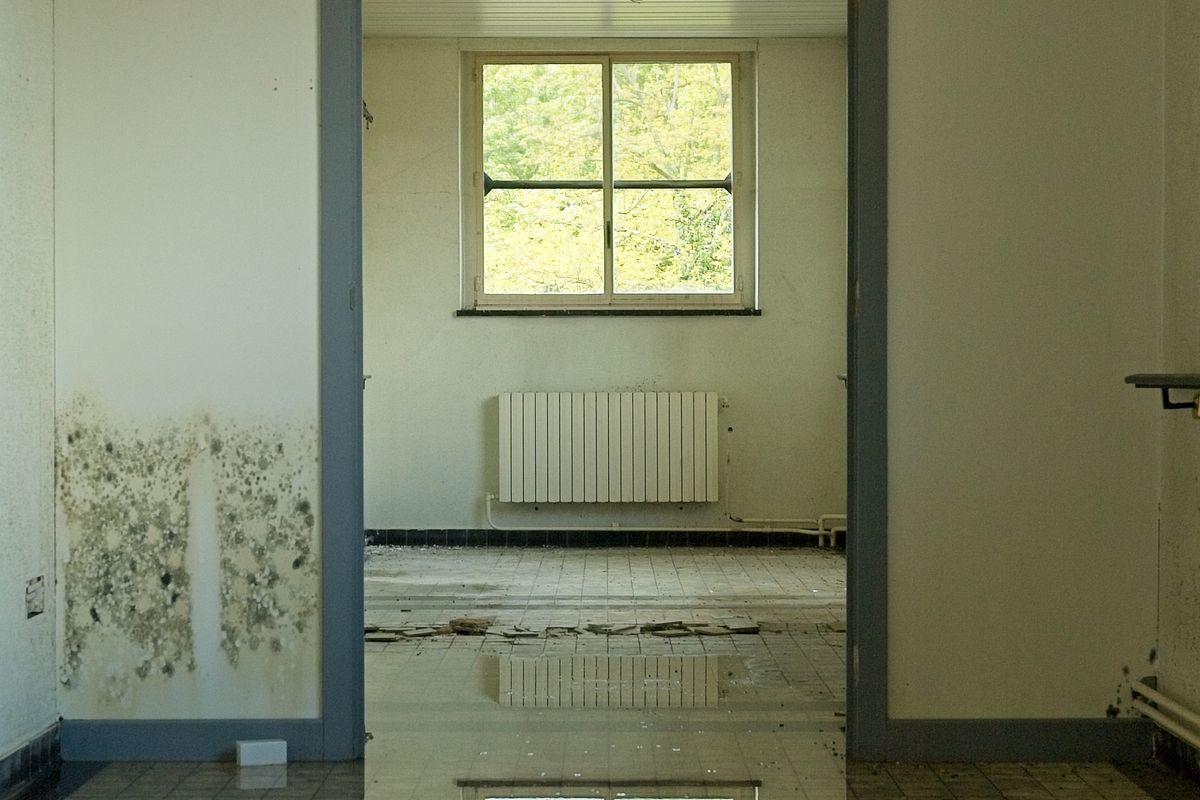
Water, fire and storm damage happen at the worst hours, and the caller is frightened and calling every company they can find. The company that answers first and sounds in control usually gets the job. An AI receptionist for restoration companies answers every call, day or night, captures what your dispatcher needs, and wakes your on-call manager for the losses that cannot wait.
- 24–48 hrs
- for clean water to degrade to Category 2
- Jun 15
- monsoon season starts, and storm losses with it
- 24/7
- answered, including 2 a.m.
The calls it handles
- Water damage from a burst pipe, water heater, appliance or roof leak
- Fire and smoke damage
- Storm and monsoon damage
- Mold concerns
- Sewage backup
- Calls from property managers and neighbors reporting a loss for an absent owner
What it escalates
- Anyone in danger, where the caller is told to get to safety and call 911
- Active flooding or water near electrical outlets and panels
- Fire or smoke, where the caller is told to call 911 first
- Sewage in the living space
How it works
- Tell us how your front desk handles calls today. We set the receptionist up around your intake questions, your rules and your calendar, in your business name.
- The AI answers at any hour and captures the loss type, address, whether the source has been stopped, how many rooms are affected, the insurance carrier if known, and whether anyone is in danger.
- It alerts your on-call manager for active losses and books the rest into your calendar or lead list. It never promises insurance coverage or a price.
Emergency Restoration in the Valley
The facts behind the calls
Monsoon storms bring roof leaks, wind damage and flooding from June 15 to September 30, and summer heat strains water heaters, supply lines and air-conditioning condensate lines. Emergency calls tend to arrive together, when every crew is already committed.
- The IICRC S500 water damage standard classifies losses as Category 1 (clean), 2 (gray) and 3 (black) water, and notes that clean water can degrade to Category 2 within 24 to 48 hours. Fast response changes the job. R&R magazine: applying IICRC water categories
- Homes built before the 1980s can contain asbestos in materials such as textured ceilings and some flooring, which can affect how wet materials are removed. US EPA: learn about asbestos
- The National Weather Service fixed Arizona monsoon season at June 15 to September 30. Storms in that window bring wind, roof and flood damage in bursts. CLIMAS, University of Arizona: monsoon dates
Service areas
Emergency Restoration AI, city by city
- Scottsdale, AZ AI receptionist for emergency restoration →
- Gilbert, AZ AI receptionist for emergency restoration →
- Mesa, AZ AI receptionist for emergency restoration →
- Chandler, AZ AI receptionist for emergency restoration →
- Tempe, AZ AI receptionist for emergency restoration →
- Peoria, AZ AI receptionist for emergency restoration →
- Glendale, AZ AI receptionist for emergency restoration →
- Surprise, AZ AI receptionist for emergency restoration →
- Queen Creek, AZ AI receptionist for emergency restoration →
- Phoenix, AZ AI receptionist for emergency restoration →

Common questions
What happens to an active water loss at 2 a.m.?
The AI recognizes active losses such as flooding, water near electrical outlets or sewage in the home, tells the caller to stop the water at the shutoff if it is safe, and alerts your on-call manager at once instead of taking a message.
Would it promise insurance coverage or a price?
No. It captures details, gives a safety instruction when life is at risk, and hands the job to your team. It never promises coverage, a price or an arrival time you have not set.
Will callers know they are talking to an AI?
Yes. Every call opens with a clear AI disclosure, and callers are still answered in seconds.
How does pricing work?
Pricing is set around your call volume and how your dispatch works. Tell us about your company through the contact form and we will send a clear quote.
Built around how you work
Tell us how your calls work.
We set the receptionist up around your intake questions, your rules and your calendar, in your business name.
Talk to us →